
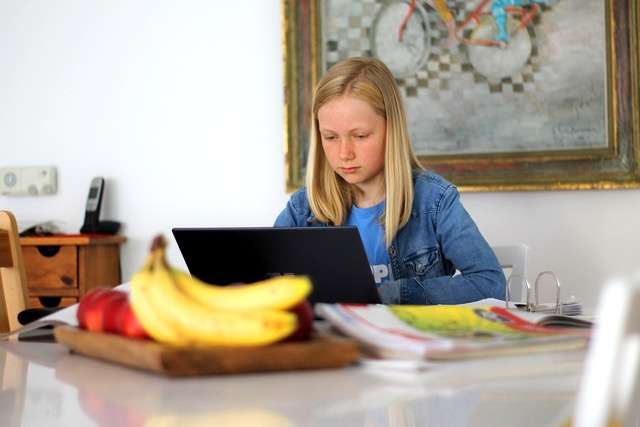
As a psychologist who specializes in working with anxious children and teens who struggle socially, I see firsthand how many bright, thoughtful, neurodivergent kids don’t thrive in traditional classroom settings. In communities like Venice, Sarasota, and North Port, many families are turning to homeschooling to better meet their child’s emotional, sensory, and learning needs.
If you’re a homeschool family wondering whether therapy could support your child’s growth, this post is for you.
How Therapy Can Support Homeschool Students
Homeschooling offers flexibility, customization, and freedom from some of the pressures of traditional school environments. For many neurodivergent children, including those with anxiety, ADHD, autism, sensory sensitivities, or learning differences, that flexibility can be life-changing.
However, homeschooling doesn’t automatically eliminate anxiety, social challenges, or emotional struggles. In fact, many of the students I work with left traditional school because:
- Their anxiety became overwhelming
- They experienced social rejection or bullying
- Sensory demands were exhausting
- They masked their struggles until burnout
- Their academic needs weren’t being met
Therapy can complement homeschooling by helping your child build the skills and confidence they need. Not just academically, but emotionally and socially.
Why Homeschooled Kids May Still Need Emotional Support
Even in a supportive homeschool environment, children and teens may struggle with:
- Social anxiety during co-ops or extracurriculars
- Fear of being judged or “different”
- Perfectionism and academic pressure
- Difficulty initiating or maintaining friendships
- Rigid thinking or emotional dysregulation
- Avoidance patterns that shrink their world
Many neurodivergent kids are incredibly insightful and capable, but they need structured support to navigate relationships and manage anxiety effectively.
How Therapy Can Help Homeschool Families
1. Addressing Anxiety at the Root
Anxiety doesn’t disappear just because the school setting changes. In fact, some children carry school-related trauma or deeply ingrained fears about performance and social judgment.
Using evidence-based approaches, therapy can help your child:
- Understand how anxiety works in the brain
- Learn coping tools that actually reduce long-term anxiety
- Gradually face feared situations instead of avoiding them
- Develop self-compassion instead of self-criticism
When anxiety decreases, kids are freer to engage with peers and pursue their interests.
2. Building Real-World Social Confidence
Homeschooled children often socialize through co-ops, sports, church groups, clubs, or community activities. Therapy provides a safe place to:
- Practice conversation skills
- Work on perspective-taking
- Role-play social situations
- Reduce social avoidance
- Build resilience after awkward or difficult interactions
The goal isn’t to change who your child is, it’s to help them feel more confident being themselves.
3. Supporting Neurodivergent Learners
Many homeschool families choose this path because their child is neurodivergent including ADHD, autism, or twice-exceptional profiles.
Therapy can support:
- Executive functioning skills
- Emotional regulation
- Flexible thinking
- Identity development and self-advocacy
- Healthy boundaries in friendships
Rather than focusing only on behavior, my approach emphasizes understanding your child’s nervous system, strengths, and individual wiring.
A Convenient Option for Venice, Sarasota & North Port Families
Our practice is located in North Venice, Florida, with easy access off the interstate making it convenient for families coming from Sarasota and North Port. Many homeschool families appreciate:
- Flexible daytime appointment availability
- A calm, private office environment
- Collaborative parent involvement
- Practical strategies that extend into daily life
Because homeschool schedules are often more flexible, therapy can be scheduled during daytime hours minimizing disruption to family routines.
When to Consider Therapy for Your Homeschooled Child
You might consider reaching out if your child:
- Avoids group activities due to anxiety
- Has difficulty making or keeping friends
- Seems rigid, overwhelmed, or easily frustrated
- Struggles with perfectionism or fear of failure
- Has transitioned out of traditional school due to emotional stress
- Expresses feeling “different” or misunderstood
Early support can prevent unhelpful patterns from becoming entrenched.
Supporting the Whole Child
Homeschooling gives you the freedom to tailor academics. Therapy can be tailored to support the emotional and social side of your child’s development.
Whether in a classroom, a co-op, or out in the community, children thrive when they feel understood, capable, and equipped to handle anxiety.
If you’re a homeschool family in Venice, Sarasota, or North Port, FL looking for support for an anxious or socially struggling child or teen, I’d be honored to connect and see if we’re a good fit. www.funpsy.com/contact


